
Residence Life Student Guide, Policies and Procedures
Welcome to the UWRF residence halls! It's important to familiarize yourself with our policies, conduct procedures, facilities, services and more. We've created a Student Guide, your one-stop shop to find all the need to know details!
What will I find in the guide?
- Administrative policies and procedures
- Community standards
- Conduct procedures
- Emergency preparedness
- Facilities and services
- Important phone numbers
- Residence hall communities
- Residence halls contract
- Residence life staff
- Roommate and suitemate relationships
- Safety and security
- Student leadership
Administrative Policies and Procedures
Review the below dropdowns for information on specific residence life administrative-related policies and procedures.
Abandoned Items
Property left by a resident at the end of their contract period or when the student leaves an assigned space will be boxed up by a minimum of two Residence Life staff members. The contents will be inventoried and stored in another location. A Residence Life staff member will reach out to the student, informing them that they have 15 days to claim their property. Items not retrieved within the time limit will be donated to a local charity or disposed of at that time. The university has no liability for the loss or damage to a resident’s personal property if the property has been abandoned.
Accommodations for Students with Disabilities or Medical Needs
Residence Life is committed to providing equal educational opportunity by supporting the full participation of all students in our campus community. We promote the ideals of diversity and inclusion by accommodating the various needs of students who stay on campus. Students who need special accommodations should begin the process by contacting the Disability Resource Center regarding their request at drc@uwrf.edu. The Disability Resource Center will assist the student through the process.
Residence Life provides reasonable accommodations for students living in the residence halls with documented disabilities. Applications are reviewed by the Residence Life Accommodations Committee. When a request is processed, the student will be notified by Residence Life.
Check In
Check Out
Damages
To request a repair in your hall or on-campus room, visit the Hall Work Order webpage.
Public Area Damage: Damage to any residence hall furniture, fixtures or facilities or damage to property of students living in the residence hall is prohibited. If a student is responsible for damage in public areas of the residence hall, the cost of repair/replacement is charged to the student’s eSIS account.
Resident Room Damage: If anything is damaged, broken or missing at the time of checkout, the resident(s) may be charged to have it fixed/replaced. Staff will use the Room Condition Report completed by the resident at the beginning of the year to compare the condition of the room. Any and all damages that were not specified on the Room Condition Report when the resident moved in, other than normal wear and tear, will be recorded and charged to the student’s eSIS account. If it is not known or cannot be resolved which roommate(s) is responsible for the damage, then the charges will be divided equally between the roommates.
Damage Billing: For checkouts occurring within the semester, damages will be charged to student’s eSIS account immediately after checkout. For end of semester checkouts, those charges will be submitted within a few weeks. Repair/Replacement Cost of Items in Room (listed below) are approximate prices and are subject to change.
| Item | Traditional Halls | Ames Suites | South Fork Suites |
| Bike Locker | $500 | $500 | $500 |
| Bike Locker Key | $65 | $65 | $65 |
| Blinds | $40 | $40 | $40 |
| Bookcase | NA | $109 | $75-$125 |
| Bulletin Board | $10 | $10 | NA |
| Ceiling | $5-$10 | $5-$10 | $10-$20 |
| Cleaning Fee | $25 | $25 | $25 |
| Computer/TV data box | 12.50-$50 | $12.50-$50 | $5-$100 |
| Desk | $200 | $200 | $$200 |
| Desk Carrel (not center Hathorn) | $150 | $150 | $150 |
| Desk Chair | $40-$100 | $111 | NA |
| Dirty Room/Floor | $12.50 | $12.50 | NA |
| Door | $60-$250 | $125-300 | $120-$500 |
| Door (damage to number) | $12.50-$50 | $12.50-$50 | $5-$50 |
| Dresser | $75-$250 | $221 | $75-$200 |
| Guard Rail | $30 | $30 | $30 |
| Key for Room | $65 | $75 | $65 |
| Key for Suite | NA | NA | $75 |
| Key for Both Room and Suite | NA | NA | $115 |
| Light | NA | NA | $15-$60 |
| Light Fixtures Cover | $15-$30 | $15-$30 | $15-$30 |
| Loft Bed | $50-$200 | $216 | $50-$200 |
| Loft Ends | $150 | $173 | $150 |
| Loft Shelf (Grimm and Stratton) | $40 | $43 | NA |
| Loft Step (not Grimm, Stratton, Center Hathorn) | $10 | $10 | $10 |
| Mattress | $122 | $122 | $122 |
| Mirror | $20 | $20 | NA |
| Peephole | $2.50 | $2.50 | NA |
| Micro Fridge (dirty or not defrosted) | $15-$10 | $15-$10 | NA |
| Micro Fridge (replace) | $175 | $175 | NA |
| Recycling Container | $5-$10 | $5-$10 | $5-$10 |
| Room Furniture (movement) | $10 | $10 | $10 |
| Screen (repair) | $12.50 | $12.50 | $25 |
| Screen (replace) | $50 | $50 | $100-$150 |
| Screen (removal) | $5 | $5 | $10 |
| Smoke Alarm | $10-$20 | $10-$20 | NA |
| Sprinkler | $25-$2500 | $25-$2500 | $25-$2500 |
| Thermostat | $250 | $250 | $250 |
| Tile Damage (ceiling) | $5 | $5 | $2.50 |
| Tile Damage (floor) | $5 | $5 | $2.50 |
| Towel Bar | $10 | $10 | NA |
| Walls (cleaning and/or painting) | $20-$100 | $20-$100 | $20-$100 |
| Wardrobe | NA | NA | $350 |
| Wastebasket | $5-$10 | $5-$10 | $10 |
| Window (replace) | $50-$125 | $50-$125 | $30-$250 |
| Trash removal | $15 (min) | $15 (min) | $15 (min) |
Murals and Artwork
Artwork (paintings, drawings or sculptures) is an integral part of student culture in many UWRF living groups. UWRF is committed to a respectful and welcoming living, learning and working environment for all community members.
Residential Art Policy
Policy Summary
- Artwork in shared spaces may not be used to engage in harassment, discrimination, retaliation, invasion of personal privacy, defamation, threats or violence, targeting of groups or individuals or infringing the intellectual property rights of others.
- Artwork must comply with individual living group policies, UWRF Policies, Residence Life Community Standards and the law.
- More specifically, artwork in any shared spaces must not contain material that creates an environment that a reasonable person would consider intimidating, hostile or abusive and that adversely affects an individual’s educational, work, or living environment.
- Unacceptable material includes images or language that is derogatory or discriminatory based on race, color, sex, sexual orientation, gender identity, pregnancy, religion, disability, age, genetic information, veteran status or national or ethnic origin.
- Existing artwork may be temporarily removed or covered during deliberations as to their acceptability.
- Graffiti is not protected under the Residential Art Policy.
- Artwork or mounting systems (i.e., picture rail, panel hangers, etc.) must be installed by professional staff arranged by UWRF Facilities and approved by Residence Life.
- Development and content of murals in Residence Halls remain subject to the policies below.
UWRF Residential Art Policies and Protocols
Definition of artwork versus graffiti: Artwork differs from graffiti, posters and flyers. Graffiti is writings, drawings or scrawling without permission on a permanent surface and are not protected by this policy. Graffiti can contribute to a hostile environment and may be reported to Residence Life or University Police and will be followed up with the conduct process at minimum. If it is not certain whether something is artwork or graffiti and whether the community will be upset if something is removed, community members are encouraged to err on the side of caution.
The purpose of artwork: Artwork can be an integral part of student culture in many UWRF living groups and can serve several useful purposes as listed below.
- Allow for creative self-expression of students.
- Create a greater sense of comfort, "home"-ness and connection to the residence by giving students the opportunity to modify and contribute to their living space.
- Foster camaraderie and bolster support networks by allowing students to collaborate in defining and designing their living space.
- Contribute to UWRF's broader image of creativity and innovation.
Art context: All artwork is placed in a residence in a certain context that is with some purpose or motivation. This could include promoting discussion on a specific topic, adding to an existing theme, or highlighting an aspect of society, recalling a story or adding an attractive visual aesthetic. The specific motivation and location for artwork may thus provide context for images present in the art.
Requesting modification or removal of existing artwork: If a community member, summer guest or other person believes a piece of existing artwork creates a hostile environment or is otherwise a violation of a UWRF policy or the law, the community member should inform the Associate Director for Facilities and Operations. During the evaluation, it is encouraged to cover the artwork until a consensus is reached.
Considerations prior to completing interest form:
- Does this mural provide interest and inclusion to all residents living within this community?
- What are my intentions with requesting this mural?
- Is there further research I can do to provide confidence in my decision that this mural will positively impact this community?
- If it is not certain whether something is artwork or graffiti and whether the community will be upset if something is removed, community members are encouraged to err on the side of caution and promote discussion.
- Please contact the area coordinator of your Residence Hall to have further discussion if you have any questions.
Artwork/mural interest form: If you would like to submit a request to participate in artwork/mural installation within the residence halls, please fill out the residential art interest form.
Political Campaigning Policy
UW-River Falls (BOR approved March 9, 2026)
Political Campaigning Policy: If you are interested in political campaign in the residence halls, please refer to the Political Campaigning in the Residence Halls Policy found on the UWRF Policy webpage.
Pride Community Expectations
Pride Community: The Pride Community is a housing option in which two students share a room regardless of the students' sex, gender identity or gender expression. This means that students can live in the same room with a person of a different assigned sex at birth.
Interested students must indicate in the housing application in the Residence Hall Portal that they are interested in the Pride Community. By selecting "yes" (you are interested), you will be able to request a roommate of any gender.
This option is available to incoming and current students in the residence halls. This community is in Johnson Hall. Students will not be assigned to the Pride Community unless they have elected to do so.
Community Expectations: As a student selecting to live in the Pride Community, I recognize and understand this community has been designed to provide students with the flexibility to accommodate the needs of Lesbian, Gay, Bisexual, Transgender, Queer (LGBTQ+) students, allies, and others for whom cultural or identity considerations are needed. Students can choose to room with the person they are most comfortable living with, regardless of gender or sex. An inclusive community is one committed to social justice and based on respect for and celebration of people of diverse identities and backgrounds.
I understand that by signing this Living Community Agreement, I must adhere to the following community living standards:
- I commit to maintaining an inclusive and welcoming living environment that is free of discrimination based on gender identity and expression.
- I will respect all residents of the floor and their guests. I will strive to understand inclusion, diversity and difference, including different forms of gender identities, sexual and romantic orientations and does not require disclosure.
- I understand that living on this floor does not indicate a specific gender identity or sexual orientation.
- Be willing to learn about others’ experiences and preferences regarding their level of disclosure of personal information and I will respect their need for privacy.
- I will be aware of, and responsible, for my own language. I will strive to use inclusive language and be open to learning new terms.
As it relates to room changes and/or filling a vacant space in a room, I understand the following:
- Students will not be assigned to the Pride Community unless they have elected to do so.
- If a roommate leaves the room and community, Residence Life reserves the right to consolidate and/or fill the space with another student wishing to live in the Pride Community.
- Failure to adhere to the community living standards and/or exhibiting behavior that is contrary to the spirit of this agreement may result in a reassignment to a residence hall room outside of the Pride Community. The residence hall contract will remain in effect in cases where students are removed from the Pride Community.
Reporting an Incident
Students who have a general concern or who have experienced or witnessed behavior that does not align with Residence Life community standards, including concerns related to student staff such as resident assistants conduct or misuse of policy, are encouraged to submit a report through the UWRF Report It webpage so the matter can be reviewed and addressed appropriately.
In the event of an emergency, dial 911.
Bias/Hate Incidents
If a student has been a victim or witness of a hate or bias incident, they are encouraged to report it through the Dean of Students Office reporting system.
Sexual Assault
If a student has been a victim or witness of a sexual assault, they are encouraged to report it through the Dean of Students Office reporting system. To report a crime or if a student needs assistance, members of the campus community, including residents of campus halls, should call the University Police Department at 715-425-3133 or the River Falls Police Department at 715-425-0909.
Residence Hall Rates
Rates include housing during Fall Break, Thanksgiving Break, Winter Break and Spring Break. Students needing to stay on campus for summer need to sign an additional contract and pay additional charges. View a list of Residence Hall rates.
Residence Hall Room Layouts
Single Room Buyouts
If one student moves out of a room during the academic year, the remaining resident may be assigned a new roommate or may be given the option to pay extra to keep their room as a single (space permitting). An SRB will be given to the resident, and the resident will have two days to return the SRB from the date the form is issued. If a resident does not return their form by that time, they may be consolidated with another resident in their hall. Residents who were given the option and who have not elected to buy out the entire room must keep the other half of the room clear of belongings so it is ready for another student to move into. If the other half of the room is not clear, the resident may be charged for a single room rate.
Solicitation in the Residence Halls
If you are interested in solicitating in the residence halls, please refer to the Solicitation in the Residence Halls Policy.
Temporary Disability Residence Hall Accommodations
A student faced with a temporary disability that may require a special housing accommodation should contact Residence Life. Residence Life will work to find the student a temporary location, depending on availability.
The temporary residence hall assignment is meant to be short-term (less than one semester in length). Residence Life will continue to “hold” the initial housing assignment for the student until they are able to return to that space.
Two-Year Residency Policy
Residence Life administers the Universities of Wisconsin Board of Regents' policy (Regent Policy Document 24-2) requiring first and second year students to live in university residence halls. This requirement does not apply to students who are 21 years of age or older or students who have graduated from high school two years prior to the start of the contract. Students who are veterans, married or have extenuating financial circumstances can request exemption from this policy.
Students who are seeking an exemption to the 2-year Residency Policy should visit the 2-Year Residency Policy webpage for further details about the Residency Exemption Request Form.
Once a student’s Residency Exemption Request Form and accompanying documentation are received, they will be reviewed by Residence Life and the student will be notified via their UWRF email account regarding the outcome of their request.
Violations of the Residency Policy
Requests for exemption and accompanying documentation must be submitted to Residence Life prior to the first day of classes for the semester in which exemption is being requested. Enrolled students who do not comply with this policy or who have not received exemption status will be charged the cost of a traditional double room. The student will receive an email from Residence Life indicating that the residence hall charges will be added to their student account. Providing false or misleading information on a residency exception request is a serious violation of Residence Life and university policy. Any attempt to lie or misrepresent facts will result in the request being denied and may lead to disciplinary action through the student conduct process. Honesty and integrity are expected in all Residence Life matters.
Community Standards
The mission of Residence Life is to create residential communities where students can live civilly, learn effectively and discover success. To help foster this environment and ensure the rights of all students are upheld, both Residence Life and the university have expectations about student behavior in terms of how they manage their own lives and how they interact with other members of the community.
Students can report general incidents at the Report It webpage.
Each member of the UWRF community is responsible for knowing and abiding by these policies. Residents are also expected to play an active role in enforcing community standards by addressing others who are exhibiting concerning behaviors and reporting concerning behaviors to appropriate individuals. Violations of Residence Life and university policies can be confronted and documented by staff and other residents both inside and outside the residence halls. To submit a report about a potential violation of policy, please visit the UWRF Student Referral Form.
Residence Life has the responsibility for developing and enforcing policies in the residence halls. These policies, together with those mandated by the university and state/federal laws, constitute the expectations of the residence hall community. Failure to abide by these policies will result in disciplinary action.
Review the below dropdowns for information on specific residence life Community Standards (also known as Residence Hall Policies).
Alcohol and Other Drugs Policies
Alcohol
Possession or consumption of alcoholic beverages by persons under age 21: Wisconsin’s legal drinking age is 21. People under 21 years of age are not permitted to consume alcohol or possess alcohol, empty alcohol containers or paraphernalia (such as a beer bong, shot glasses, solo cups and ping pong balls, etc.). Guests of an individual, who is under the legal drinking age, are not permitted to possess alcohol, regardless of the guest’s age.
Distribution/manufacture/sale of alcoholic beverages: Distribution of alcoholic beverages to an underage person is prohibited. No person is permitted to manufacture or sell alcoholic beverages in the residence halls.
Possession or consumption of alcoholic beverages by people over 21: People who are of the legal drinking age are permitted to possess and consume alcohol under the following conditions:
- Alcohol must be consumed in a student room, suite or quad in which all residents of the room are over the age of 21, with the room door closed.
- Alcohol must be transported to and from student rooms in sealed containers.
- Possession and/or consumption of alcoholic beverages in hall lounges, basements, stairwells or other common areas is prohibited.
- Participating in drinking games such as, but not limited to, beer pong, flip cup, drinking card games, is prohibited. This includes water or any other liquid substitute.
- Consuming or providing large amounts of alcohol (e.g., kegs, party balls, half-kegs) is prohibited.
- Paraphernalia used to deliver large quantities of alcohol or rapid intake of alcohol (e.g., funnels, beer bongs) are not permitted in the residence halls.
- Any behaviors associated with the allowable consumption of alcohol but result in endangering the safety of self or others, incapacitation and/or the need for medical attention because of overconsumption of alcohol is prohibited.
Drugs and Other Controlled Substances
The following actions and/or behaviors are prohibited:
- Being under the influence of a controlled substance while in the residence halls.
- The possession, use, distribution, manufacturing or dispensing of illicit drugs.
- The possession or use of drug paraphernalia (e.g., bongs, bowls, one-hitters, dugouts and grinders).
- The misuse of prescription medication (e.g., improper possession, sales or distribution).
- The misuse of over-the-counter medication.
Medical Amnesty
Residence Life is committed to promoting the health and safety of all members of its campus community. In recognition of the potentially life threatening nature of alcohol and drug-related emergencies, Residence Life has established Medical Amnesty Guidance to encourage students to seek immediate medical assistance for themselves or others in the event of an alcohol or drug related emergency without fear of university disciplinary action for alcohol or drug violations. Medical Amnesty provides limited protection from disciplinary action to students who seek medical assistance for themselves or others in alcohol or drug related emergencies. The goal of this policy is to prioritize health and safety over disciplinary concerns, ensuring that students are not deterred from calling for help in critical situations. For more information, email reslife@uwrf.edu.
Assault and Harassment Policies
Assaultive Behavior
No person may intentionally strike, shove, hit, punch, kick or otherwise subject another person to physical contact or cause bodily harm without the consent of the person.
If an assault occurs between roommates and the police are called, the State of Wisconsin domestic violence laws require the police to arrest the resident who committed the physical assault.
Bias/Hate Incidents
Behavior to anyone in our community that might be deemed hostile or harassing or which intimidates, degrades, demeans or threatens, contradicts the community standards of the residence hall; this includes words or acts which cause or result in harm, either physical or emotional. Students are expected to live in such a way that their actions do not have the purpose or effect of interfering with an individual’s academic or work performance and/or create an intimidating or offensive academic, living or work environment.
Examples of bias/hate can include, but are not limited to: vandalism to public posters by defacing them with bias-related symbols or slogans, targeted vandalism on a student’s door directed at their protected status by writing homophobic, ethnic or racial epithets on dry-erase boards, directing slurs at a group or individual (whether in person or electronically), telling derogatory jokes, making insulting comments about an individual’s traditional manner of dress or geographic origin, harassment that interferes with a person’s educational experience by displaying sexually suggestive objects.
Residence hall communities have both the right and the responsibility to regulate the “public” side of room doors and windows. Residence halls are considered a non public forum related to the first amendment. The department mission is to build safe, inclusive environments. If the actions in question are incompatible with this mission, Residence Life reserves the right to limit those actions.
Computer Policy
All residents must abide by the Division of Technology Services (DoTS) Acceptable Use Policies regarding acceptable use of university computers and campus networks. Information regarding the computer policy is available on the University of Wisconsin System webpage.
Copyright Infringement
The unauthorized distribution of copyrighted materials is prohibited. This includes peer-to-peer file sharing, violating copyright laws on published works, music, graphics or software and obtaining or making available to others commercial software via the internet in violation of the licensing agreements on such software and on university networks.
Harassment
No person may intentionally make verbal threats, intimidate or engage in conduct which tends to cause or incite a breach of the peace or is severe or pervasive enough to substantially interfere with a reasonable student’s educational performance, opportunities or benefits or mental, emotional or physical well-being. The presentation of any idea, regardless of the idea’s nature or perceived value, may not be considered harassment unless it is accompanied with a verbal threat, intimidation or conduct as previously defined.
Behaviors and actions as outlined above, exhibited via electronic media including email, text messaging or social networking websites may be in violation of the harassment policy.
Sexual Assault
Sexual assault is defined as sexual contact perpetrated against another person without their consent. Consent is defined as words or overt actions by a person who is competent to give consent indicating a freely given agreement to have sexual intercourse or sexual contact. Sexual assault is a crime and is taken very seriously at UW-River Falls.
Sexual Harassment
Sexual harassment is prohibited. It is defined as unwelcome sexual advances, requests for sexual favors and other verbal or physical conduct of a sexual nature when:
- Submission to such conduct is made either explicitly or implicitly a term or condition of an individual’s employment or academic achievement.
- Submission to or rejection of such conduct by an individual is used as the basis for employment decisions or academic decisions affecting such individual.
- Such conduct has the purpose or effect of unreasonably interfering with an individual’s work or academic performance or creating an intimidating, hostile or offensive environment.
Threats
Verbal or written abuse that involves an expressed or implied threat to interfere with an individual’s personal safety, safety of property, academic efforts, employment or participation in university-sponsored extracurricular activities is prohibited. If continued threats occur, University Police will be contacted.
Unauthorized Audio/Video Recording and Photographs
Making unauthorized audio or video recordings or photographic images of a person in a location in which that person has a reasonable expectation of privacy, including, but not limited to, shower/locker rooms, residence hall rooms and restrooms, is prohibited.
Community Standards
Animals
Pets are prohibited in university buildings, in accordance with Chapter UWS 18.08 of the Wisconsin Administrative Code, except for harmless fish. To protect health and safety, fish tanks must be 10 gallons or less. Service animals are permitted in the residence halls. Emotional Support Animals, once approved, are permitted in the residence hall room. Students are responsible for any damage to the facility caused by their animal.
Bicycles
Riding or storing bicycles in a residence hall building is prohibited. This includes electric bicycles. If you would like to store a bike, we have bike lockers available. You can apply for a bike locker by visiting our web page.
Common Spaces
It is not permitted for residents to sleep in multimedia rooms, lounges, kitchens and other shared common space. Furniture in common spaces should be placed back to its original position if moved while using the space. Personal furniture and other personal items are not allowed to be stored or placed in common spaces, this includes the Ames pod kitchenette, bathrooms and living area.
Community Cleanliness
- Disposal of Garbage: Leaving garbage in bathrooms or containers other than the dumpsters located outside the residence halls is prohibited and may result in trash cans being removed.
- Shared Spaces: Residents are expected to clean spaces such as study lounges, kitchens and laundry rooms after each use. This includes the Ames pod kitchenette, bathrooms and living area. Trash should be removed from the space and any items used should be cleaned. Hallways should be kept free of furniture, garbage or other personal items.
- Bathrooms: Making unnecessary messes in bathrooms is prohibited. To ensure proper cleaning, residents are not permitted to store personal items in bathroom/shower areas outside of South Fork Suites.
- Room/Pod/Suite Cleaning: Residents are expected to clean their living environments on a regular basis. Residents living in Ames or South Fork Suites, where living spaces are shared, are expected to coordinate cleaning responsibilities for common areas within pod or suite.
- Bodily Fluids: Depositing bodily fluids (e.g., saliva, vomit, urine and feces) in anything other than a private receptacle (i.e., bathroom toilet) is prohibited. Please contact a Residence Life staff member if you encounter any bodily fluids.
Commercial Activity
Commercial activities, excluding charitable fundraising, may be conducted by an individual from their room provided that:
- Written permission is obtained from roommate(s) when applicable. The consenting parties may withdraw permission at any time.
- Written permission is obtained from Residence Life. Permission may be revoked at any time.
- Advertising conforms to limits established by Residence Life.
- No responsibility for or guarantee of commercial activity is implied or assumed by UWRF or Residence Life.
- The commercial activity will not cause the resident to take unfair advantage of the Residence Life mail system.
- The resident operating the business shall only use their fair share of the room for storage and may not use any other facilities for storage or sale.
Community Bathrooms
Community bathrooms designated “men” can only be used by males or individuals who have a male gender identity or expression. Community bathrooms designated “women” can only be used by females or individuals who have a female gender identity or expression. Only one person can be in a bathroom stall or shower at a time, except in the case of caregivers providing assistance.
Residence hall bathrooms will have signs posted on bathroom doors stating the cleaning time of the bathroom. Residents are not permitted to be in the bathroom during the posted cleaning times.
Compliance with University Staff
Residents are expected to comply with the reasonable request(s), written or verbal, of a university official (e.g., Residence Life staff, faculty/staff, University Police) acting in accordance with their job duties. Students who are concerned about the validity of a request should ask to speak with the area coordinator immediately.
Failing to cooperate with an investigation by providing false or misleading information (lying) to a staff member or fleeing an incident is prohibited. Creating a hostile environment by engaging in verbal or written abuse, physical contact, intimidation or menacing behavior directed at a staff member is prohibited.
All residents are expected to comply with disciplinary sanctions issued through conduct conferences and hearings. Intentionally, knowingly or recklessly obstructing or delaying university proceedings is prohibited.
Complicity
Being present during any policy violation in such a way as to condone, support or encourage a violation of university/Residence Life policy is prohibited. Students who anticipate or observe a violation of policy are expected to remove themselves from the situation and are encouraged to report the violation to the appropriate UW-River Falls personnel. If the violation is occurring in one’s own room, they must either stop the violation or bring the violation to the attention of Residence Life staff to not be complicit.
Community Volume Standards
- Courtesy Hours: Courtesy hours are in effect from 8 a.m.–9:59 p.m., Sunday through Thursday and 8 a.m.-12:59 a.m., Friday and Saturday. During courtesy hours, it is expected that behavior and noise levels are respectful to the community and conducive to studying and learning.
- Quiet Hours: Quiet hours are in effect between 10 p.m.-7:59 a.m., Sunday through Thursday and 1 a.m.-7:59 a.m., Friday and Saturday. During quiet hours, it is expected that noise should not be loud enough to disrupt residents of the community, including students on floors above and below.
- Exam Week Quiet Hours: The Sunday before finals week each semester, Exam Week Quiet Hours are in effect starting at 12:59 a.m. and run until the time the halls close for the semester. During this time, it is expected that noise should not disrupt residents of the community, including students on floors above and below. Between the hours of 5 and 6 p.m. daily courtesy hours will be in effect.
- Musical Instruments, Stereos, Amplification or Bass Systems: Guidelines for playing musical instruments in residents’ rooms follow the same guidelines as noise, however, some musical instruments, by their nature, are virtually impossible to play at a level that does not disturb others and should not be used in the residence halls. These instruments include, but are not limited to, amplified musical instruments (e.g., electric guitars, keyboards, subwoofers), drums and brass instruments. Playing music from student room windows to the outside is not permitted.
- Do Not Disturb Signs: Residence Life shall provide the residents of each dwelling unit with a “do not disturb” (DND) door magnet, which can be accessed at the front desk in each building. During any time that the resident(s) of a dwelling unit have their DND magnet displayed on their outer door frame, no individual shall be allowed to disturb them by knocking on the door, attempting to enter the dwelling unit or sliding materials under or affixing them to the door, unless that individual is either another resident of the same dwelling unit, an employee of the university operating in the course of the employee’s duties or emergency personnel or anyone else acting on an emergency need. No DND door magnet may be displayed on a dwelling unit’s door during any time that multiple residents of the same dwelling unit are simultaneously present in the dwelling unit and at least one of them opposes its hanging.
Cooking
Fire safety and sanitation requirements prohibit cooking in the residence hall rooms, excluding microwave use. Each hall has kitchen facilities available for resident use.
Electrical Appliances
The university furnishes every room (except South Fork Suites) with a micro fridge unit that includes a microwave and refrigerator/freezer. The micro fridge unit should not be plugged into an extension cord; it should always be plugged into a wall outlet.
South Fork Suites kitchenettes contain a full-size refrigerator and a microwave. Students are not allowed to bring their own microwave, refrigerator or freezer.
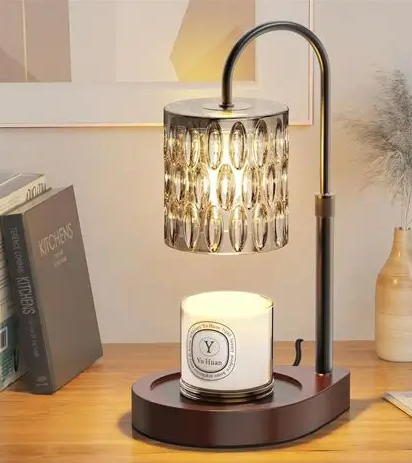
Permitted Appliances: Toaster, toaster ovens, air fryers and electronic pressure cookers (i.e. Insta-Pot, Multi-Pot, Ninja Foodie, etc.) are permitted to be stored in a student’s room under the condition they are only used in a designed kitchen space such as hall kitchen, Ames Suite kitchen (on the second or fourth floor) or South Fork Suites kitchenette.
Prohibited Items: To reduce the risk of damage, students are prohibited from bringing space heaters, halogen lamps/lights, candle warmers (this includes a candle plate and candle warmer that uses a halogen lightbulb), hotplates and pizza ovens into the residence halls. This list is not exhaustive, any appliance with an open heating element causes a risk of damage.
| Example of Prohibited: Candle hot plate | Example of Permitted: Candle lamp with LED bulb and wickless wax |
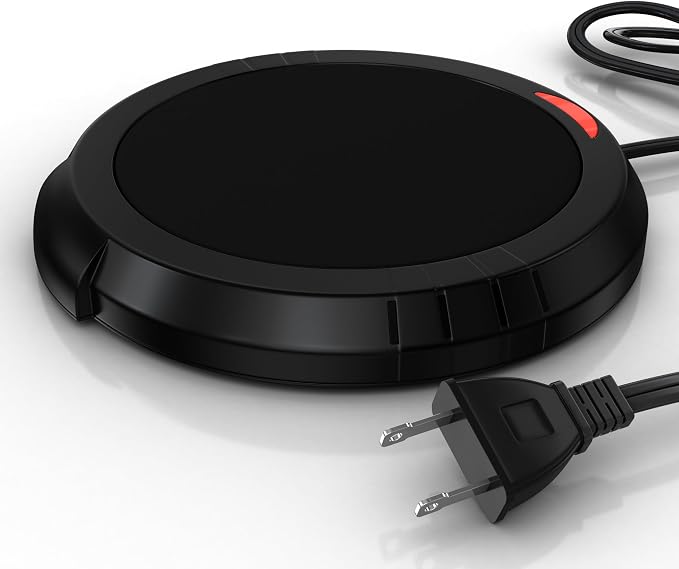
| 
|
Residence Life reserves the right to remove any electrical appliances that are unauthorized or used inappropriately.
Furniture Misuse/Possession
University-owned furniture must be left in rooms and common areas to which it has been allocated. Students are prohibited from removing furniture items from their room. Lobby, lounge, study room or basement furniture or other university-owned property is not allowed in student rooms. Students may be held responsible for damage incurred and daily charges for possession of university property.
Gambling
The exchange of money in gambling ventures is prohibited within the residence halls.
Guest Policy
“Guest” is defined as any person in a residence hall student room who is not assigned by Residence Life to live in the room or any person who is not assigned to live in the building.
Resident Hosting Responsibilities: It is the hosting resident’s responsibility to inform guests of the policies and procedures of UW-River Falls. The host resident is responsible for and will be held accountable for the behavior of their guest(s). Guests must always be escorted by the hosting resident and must not be left unattended in the residence hall.
Guest Behavior: Guests must always have a valid photo ID on them and are expected to abide by all residence hall policies. University personnel reserve the right to direct guests to leave the residence hall if they are creating a disturbance within the community. Guests who are violating the law will be required to leave immediately.
Guest Limits/ Restrictions: The number of people in a double room should not exceed eight during the day and four overnights (including residents of the room). In George R. Field South Fork Suites and the Prucha Hall Quads, the number of people should not exceed 10 during the day and eight overnight (including residents of the suite). For extended housing study lounges, the number of people should not exceed 10 (including residents of the space).
Overnight Guests: Overnight guests may be allowed to stay, with permission of a roommate, a maximum of three nights in a row, no more than eight nights per month. All overnight guests under the age of 18 years old must possess written permission from a parent or guardian to stay on campus. The written permission must specifically name the host, host’s address and parent or guardian contact information.
Hall Sports
Playing sports in the residence halls is prohibited. No games or equipment designed for outdoor use (e.g., bicycle riding, footballs, frisbees, rollerblading, skateboards, scooters or wheeled shoes) are permitted to be used in any residence hall facility. Large or heavy workout equipment (e.g., stationary bike, home gym, weightlifting bench) are prohibited. Radio- or remote-controlled aerial devices, including drones, are not allowed to be used in the residence hall. Hover boards and electric scooters are not permitted to be used in the residence halls.
Identification
Failure to produce a valid photo ID upon request by any university staff member, in the performance of their duties, is prohibited. Residents are prohibited from lending their university identification card to another individual. Impersonating university staff members, including resident assistants, is not permitted.
Inappropriate Behavior
The following behaviors are considered inappropriate conduct for a residence hall community and are prohibited:
- Conduct that disrupts or interferes with the performance of duties by university personnel.
- Behavior that is obscene, lewd or indecent including, but not limited to voyeurism, public urination/defecation or public exposure of private body parts.
- Conduct that is violent, abusive, profane, boisterous, unreasonably loud or otherwise disorderly.
- Horseplay, pranks, the making of unnecessary messes or any other action which damages property or unreasonably disturbs others.
- Conduct that is considered a violation of university/Residence Life administrative policy or procedure.
Keys/Locks/Electronic Access
Physical keys and electronic access cards should not be unattended or left in a location that would jeopardize the security of the room or hall. All student IDs will be able to access their assigned building 24/7 and their partner building (ex: Parker and Crabtree) from 7 a.m.-10 p.m.
Keys assigned to residents should not be loaned to others. Residents and/or a residents guest should not be in possession of university keys that do not belong to them. Under no circumstances is any student permitted to tamper with a university lock or have duplicate keys made for university locks.
Kitchens
Kitchens/kitchenettes are available in every hall for resident use. Residents who use the kitchen are expected to:
- Remain in the kitchen while food is being cooked.
- Wash dishes in kitchen sinks, then dry them and store dishes in their room. Washing dishes in bathroom sinks or drinking fountains is prohibited.
- Remove remaining food from sink. Do not put food/food waste/grease down the drain. Sinks are not equipped for these items.
- Clean all surfaces used.
- Remove all personal cooking utensils, equipment and trash from kitchen after use.
- Clearly label food placed in the community refrigerator. Items past their expiration date or not labeled will be discarded by Residence Life staff.
Tampering with mailboxes and the intentional possession or disposal of mail other than a student’s own is prohibited. Mail can only be picked up by the person to whom it is addressed.
Postings
Non-university affiliated businesses and organizations will not be approved to have posters, brochures or other advertisements displayed in the residence halls.
University-sponsored organizations/departments requesting to have promotional materials posted in the residence halls must get approval from Residence Life and must submit a copy of the advertisements. Email reslife@uwrf.edu with questions.
All approved posters, flyers or announcements must include the name of the organization and contact information and will be posted by Residence Life staff on a space-available basis.
Materials promoting the use of alcohol or other drugs, using profanity or implying sexual, racial or other harassment will not be posted.
Recreational Electric Scooters/Personal Light Electric Vehicles (PLEVs)
Pre-approved recreational electric scooters/PLEVs (including one-wheels, hoverboards, e-scooters, battery operated skateboards, etc.) are allowed to be stored (not ridden) within residence hall rooms (this does not apply to mobility devices needed for medical reasons). This includes batteries for any e-bikes or e-scooters.
If an improperly stored and/or unregistered PLEV/electric scooter is found in the residence halls, it will be confiscated by hall staff and will have to be retrieved from your area coordinator via the conduct process. If you want to store the PLEV/electric scooter in the residence halls, it will be returned only after you have properly registered it with Residence Life. These recreational electric scooters/PLEVs should not be stored in communal spaces (such as hallways, bathrooms, Ames Suites hallway closets, etc.).
Electric Scooters/PLEVs/e-bike batteries must be registered and approved by Residence Life by completing this form.
Approved electric scooters/PLEVs/e-bike batteries must meet the following criteria:
- Battery must be removeable and secured in a fire-retardant bag, or the entire scooter must be placed in a fire-retardant bag
- The following battery specifics must be met:
- Non-rechargeable: A maximum of eight grams total of lithium metal batteries are allowed in residence hall rooms and apartments
- Rechargeable: A maximum of 1000 watts per battery for lithium-ion batteries are allowed in residence halls rooms and apartments.
- Residents are not allowed to dismantle or undertake repairs to any type of battery in their residence hall or apartment.
- Residents can only use battery chargers that were intended to be used for the particular battery that is being charged.
Room Decoration/Remodeling
Students are permitted to decorate their living space (room, room door and room window) within the following guidelines:
- Items should not be attached with scotch or duct tape. No items may be attached from the ceiling, archway/door frame, pipes, university equipment or window blinds.
- Barn wood, paneling, enclosed multi-level structures, natural holiday trees or wreaths and any construction which creates a fire, safety or health hazard is not permitted.
- Running electrical cords under room doors or mattresses is prohibited.
- Construction, decoration or arrangement of furniture in a manner which hinders exit from the room door or window is not permitted.
- Foam back carpeting or foam padding underneath carpeting is prohibited.
- Rugs or carpets may not be fastened to the floor with any type of tape, glue or other adhesive.
- Waterbeds are prohibited.
- No holes may be drilled into any walls, furniture, doors or university property.
- Decorative items are not permitted on the floor in the hallways.
- Removable or temporary wallpaper is not permitted.
- Students’ personal furniture must remain in a students assigned living space.
- Posting items in a public manner that is obscene, lewd or indecent or that target specific individuals in a harmful, harassing or intimidating manner is prohibited.
Screens/Windows
Removal of screens or windows is prohibited. Students are prohibited from hanging or throwing objects or discarding liquids from open windows. Students are prohibited from blaring loud music from open windows.
Smoking/Vaping/Tobacco Use
Smoking, vaping or the use of other tobacco products (see list below) is prohibited on and within all campus residence halls. For the purpose of this policy, “tobacco” includes:
- Any cigarette (e.g., cloves, bidis, kreteks)
- Cigars
- Pipes and hookah products
- Any other smoking products (e.g., e-cigarettes, vaporizers)
- Any smokeless, spit or spitless, dissolvable or inhaled tobacco products (e.g., dip, chew, snuff, snus or Zyn) in any form (e.g. orbs, sticks, pellets).
Soliciting
For purposes of this policy, solicitation refers to any activity in which an individual or organization requests, encourages or induces another person to:
- Purchase goods or services
- Contribute money, signatures or other resources
Solicitation includes, but is not limited to, door-to-door canvassing, distributing flyers or petitions, tabling and in-person or electronic communications intended to secure support, donations or participation. Solicitation within residence halls is restricted in order to protect residents’ rights to privacy, security and a living environment conducive to study and community.
For information regarding Political Campaigning in the Residence Halls, please visit the UWRF Policies webpage.
Theft
Possession of another person’s or the university’s property without prior consent is prohibited. This includes property from student rooms and all common spaces in the residence halls. Possession of illegally obtained road or campus signs is prohibited.
Unauthorized Access
- No person, unless authorized, may be present in the residence halls. Guests are prohibited from being in a resident’s room without the resident of the room present.
- Individuals who are present in residence hall facilities after they have been restricted from or asked to leave any residence hall facility may be arrested by University Police.
- Residents are prohibited from giving access to the residence halls to unauthorized individual(s) e.g., person(s) that have been restricted from the residence halls.
- Utilizing residence hall space for any activity other than intended use is prohibited.
- No person may climb onto or walk upon the roof of a university building, except when emergency access to a fire escape is necessary.
- No person may enter a student’s room without the consent of the student or authorization by the university.
Vandalism
Damage to any residence hall furniture, fixtures or facilities or damage to property of students living in the residence halls is prohibited. Tampering with vending machines is prohibited.
Weapons and Firearms
The possession of dangerous weapons of any kind (including, but not limited to firearms of any type, tasers, illegal chemical sprays, swords, sling shots, paint ball guns, BB guns, Airsoft guns, toy guns that appear to be real firearms, bow and arrows, illegal knives and knives used to threaten and/or cause harm or whose primary purpose is that of a weapon) and ammunition are not permitted.
No person may display or portray as real any object that resembles a weapon. Using any object to threaten or cause harm is prohibited. Weapon storage is not provided on campus.
Fire Safety Policies
Candles/Incense
The possession and/or use of candles, including decorative candles and candle warmers, is prohibited. “Scentsys” or similar products that use a non-halogen light bulb are permitted. The burning of incense and/or candles and/or sage for religious/spiritual purposes is only permitted if:
- Resident(s) obtain approval from Residence Life before burning incense/sage.
- Residence hall fire safety equipment must not be tampered with. A fire extinguisher must be easily accessible.
- Resident(s) must take responsibility for the event, be present at all times and assume liability for any damage caused, accidental or otherwise.
- Flames and other open heat elements must be kept away from combustible materials.
- A designated Residence Life staff member must be contacted at the conclusion of use to determine that any potential hazard of fire has been eliminated. Requests are not approved or denied based on religion or spiritual belief, but requests may be denied based on space availability, resident reputation of prior use, staff availability or substantial safety concerns.
Fire Alarms/Equipment
It is prohibited to tamper with or misuse any fire alarm system, including fire pull stations and smoke detectors. It is prohibited to tamper with or misuse any firefighting equipment, including but not limited to fire extinguishers.
Residents and guests must leave the building by the designated exit during a fire alarm. Emergency Alert System tests are announced and happen frequently. During the Emergency Alert System testing, residents may remain in the residence halls.
Fires
Lighting fires within a residence hall facility is not permitted. Items requiring an open or smoldering flame to operate are not allowed in resident rooms or anywhere else in the residence halls. Residents and guests are expected to leave the building by the designated exit whenever the fire alarm sounds.
Flammable Materials/Explosives
The storage, possession or use of fireworks, propane, gasoline, lighter fluid, charcoal and explosives is strictly prohibited in the residence halls. Vehicles/power tools that utilize gas are prohibited from being stored in the residence halls.
Grilling
Grilling is permitted in designated outdoor areas in accordance with the following policies:
- Residents must only use the outdoor grills provided. Additional grills cannot be brought into the grilling/fire pit areas.
- Charcoal and a fire source is the responsibility of the student.
- Residents must properly dispose of ashes in ash cans located near grills.
- Residents are responsible for cleaning the grilling area and disposing of all trash appropriately.
- Due to proximity to the residence halls, residents should be considerate of others and keep noise to a minimum, especially during quiet hours.
Residence Life Conduct Procedures
Conduct Procedures
The UW-River Falls Residence Life conduct system exists to address any inappropriate and/or illegal behavior. The goals of the Residence Life conduct system are to:
- Protect the rights of all residents to have a living environment where they can feel safe and welcome.
- Maintain and reinforce community standards.
- Provide an opportunity for a resident to make a formal complaint about another resident’s behavior that may be a violation of Residence Life policies.
- Investigate complaints and learn from all parties involved about what may have occurred.
- Hold residents accountable for their behavior.
- Encourage students to reflect on their behavior, how it affects both them and their community and to change the behavior.
Resident’s Rights and Responsibilities related to the Residence Life Conduct Process
Residents involved in the conduct process have the following rights:
- To review the complaint.
- To meet with a Residence Life staff member to discuss any information they would like to share about the complaint.
- To bring individuals (witnesses) to the meeting that may provide further clarification on the situation. The person cannot also be named in the complaint.
- To bring an adviser (parent, guardian, confidant) to provide the resident with emotional support and help them navigate the Residence Life conduct process.
- To appeal the decision the Residence Life staff member made.
Residents involved in the conduct process have the following responsibilities:
- Be honest and respectful throughout the conduct process.
- Comply with all agreements reached or decisions rendered.
Residence Life Conduct Process
Residence Life conduct procedures will be applied only to students living in UWRF residence halls. Students residing off campus who are involved in residence hall incidents will be referred to the Dean of Students Office for review. In serious offenses, off-campus students and other individuals may be banned from visiting residence halls for a specified period or indefinitely.
Residence Life Conduct Procedures
After a complaint is received by a Residence Life staff member, they will review the complaint and identify possible policy violations. Residents allegedly in violation of a policy will receive an email via their UWRF email account requesting they meet with the Residence Life staff member to discuss the situation. The email will outline the date and time of the meeting and the policies that will be discussed. In incidents where multiple individuals are involved, meetings will be held for each resident, unless the Residence Life staff member allows otherwise.
During the meeting, which is referred to as a Conduct Conference, the Residence Life staff members will discuss the policies as outlined in the meeting request email and review the complaint with the resident. The complaint may include student/staff information report(s), police report(s) and/or other documents that contain additional information.
If a resident chooses not to attend the meeting, a decision will be made without the resident’s perspective, based on the information available. The resident will also waive their right to appeal against any decisions made. The resident will receive the Residence Life staff member’s decision via their UWRF email.
If a resident brings a witness or witnesses, the witness(es) will be met with separately at the appropriate time. When a witness is excused, the individual will leave the meeting but may not discuss the case with other witnesses who have yet to share their story. Other people who are allegedly involved in the situation cannot serve as witnesses.
The resident may have an adviser present at the meeting, who may remain through the meeting and serve only in a consulting capacity to the resident. The adviser may not address the Residence Life staff member or speak for the student. The resident may consult with the adviser at any time during the meeting.
The Residence Life staff member will determine if the student is “responsible” or “not responsible” for violating a Residence Life policy. In all proceedings, the student will be presumed “not responsible” until it is determined that a violation of a residence hall policy occurred based on preponderance of evidence.
A preponderance of evidence is reached when a Residence Life staff member determines, based on all the information available, that it is more likely than not that the alleged violation occurred.
Appeals
Residents have the option to appeal a decision. Reasons for an appeal do not include the stress, expense or inconvenience of relocation, contract termination, cost of educational sanctions (such as restorative practices), separation from friends, lack of familiarity with rules or good character. An appeal is not a rehearing of the case, but a reexamination of the material in the case file and any additional information the student can provide. Appeal decisions will take into consideration:
- New information pertinent to the case that was not available at the time of the original meeting;
- Information that established conduct processes were not followed;
- Findings of responsibility that did not fully take into consideration all the information available; or
- Sanctions that are too severe because they are inconsistent with similar outcomes and cases.
Possible outcomes include upholding the previous decision and/or sanctions, changing the violations and/or sanctions or referring the case back to the staff member who originally met with the resident for a new conduct conference.
To request an appeal, complete the appeal form. Upon receiving an appeal, a Residence Life staff member will contact the resident to schedule a meeting.
Sanctions, student conduct history and severity of cases
A sanction is a consequence placed upon any student who is found in violation of Residence Life policy. Sanctions help define the student’s relationship with Residence Life in the context of current and potential future behavior.
Residence hall violations at UWRF are cumulative. Therefore, different sanctions may be assigned to take into consideration the student’s overall record of violations of all types, not just those of a similar type. Violations of the Residence Life Community Standards, Residence Life policies and/or other university policies during the period of an active sanction may be cause for further action.
Repeated violations of any Residence Life Community Standards, Residence Life policies and/or other university policies may also result in suspension or dismissal or in the assignment of lesser sanctions, if mitigating factors are present. Mitigating factors to be considered include:
- The severity of the violation;
- The student’s conduct record;
- The nature of the violation;
- The severity of any damage;
- Any injury or harm resulting from the matter to necessitate conduct action.
As stated, Hearing Officers (usually area coordinators) also consider the severity of the alleged violations. An incident may be a first-time offense but due to the severity of the alleged violation, increased sanctions may be considered based on the circumstances of the case. In addition, based on previously mentioned mitigating factors, sanctions may vary among individuals with similar violations.
Contract Suspension/Termination
Violations of the Residence Life Community Standards, Residence Life policies and/or other university policies may impact the student’s ability to live in on campus housing. Any housing contract consequences may be administered by Residence Life offices separate and apart from the student conduct process.
If it was determined that the severity of the incident or the repeated violations of policy are in direct conflict with the purpose of the residence halls and the removal of the student is in the best interest of the student and/or the community. A student’s contract may be suspended and/or terminated. When a residence hall contract is suspended and/or terminated for conduct reasons, the student will:
- Forfeit their housing deposit;
- Be financially responsible for 100% of the remaining cost of their contract; and
- Be restricted from living in or entering any residence hall for a determined period.
Residence Life No Contact Directive
It may be determined, due to the severity of an incident, that the students involved must have no contact with one another. No contact includes, but is not limited to, contact in person, in writing, by computer, by telephone or through another person (with the exception of law enforcement or the courts). Residence Life No Contact Directives are different than university or legal no contact directives. At times, a Residence Life No Contact Directive may mean a student will need to move temporarily to another residence hall environment. Residence Life No Contact Directives will be given to the students via email by a Residence Life staff member.
Dean of Students Office Referrals
Depending on the severity of the alleged violation or persistent violation of residence hall policies, residents may be referred to the Dean of Students Office for adjudication through the university conduct system. Some referrals may also result in the student’s residence hall contract being terminated. These behaviors include, but are not limited to:
- Assault/battery against another individual. Violations of this policy include, but are not limited to, threatening another person with physical harm verbally, physically or touching another person, with or without a weapon, in a manner that is aggressive and threatening.
- Being on the roof of any university building without the proper authorization.
- Harassment. Harassment is defined as a verbal threat, intimidation or conduct which tends to cause or incite a breach of the peace; or is severe or pervasive enough to substantially interfere with a reasonable student’s educational performance, opportunities or benefits or mental, emotional or physical well-being and which actually do so interfere. The presentation of any idea, regardless of the idea’s nature or perceived value, may not be considered harassment unless it is accompanied by verbal threats, intimidation or conduct as previously defined.
- Possessing, using or intending to deliver narcotics including marijuana. The use or possession of controlled substances as defined in Chapter 961 Wis. Stats. are prohibited on all university property. Wisconsin Administrative Code, UWS 18.10.
- Possessing and/or using firearms (guns, include pellet guns, BB guns, airsoft guns), bows and arrows, swords or any other dangerous weapons. Individuals may not display or portray as real any object that resembles a weapon.
- Setting fires. Violations of this policy include setting fire to items on a room door or bulletin board or any other flammable material in the halls including fires caused by a lit candle or cigarette.
- Sexual assault/harassment regardless of the degree.
- Theft from roommate or community.
Communication
Residence Life’s official means of communication with current residents is through their UWRF email. Residents are expected to check their UWRF email frequently and consistently. A resident’s failure to monitor their UWRF email account will not exempt them from adhering to the information and deadlines communicated.
Parental Notification
Residence Life will contact parents or legal guardians in the event of health and safety concerns or when their student is under 21 years of age and has violated the alcohol or drug policy.
Conduct Process File Management
Students involved in residence hall incidents, whether found responsible or not, will have a record of the incident and summary of all actions on file while the student is enrolled at UWRF and for seven years past their last date of attendance. Some records may be held longer depending on the nature of the incident. A student’s file will be available only to the student, the Dean of Students Office and Residence Life. Students may see a copy of their file by requesting it from the Dean of Students Office. In accordance with the Family Educational Rights and Protection Act (FERPA), some of the documentation may be redacted.
Emergency Preparedness
Each resident is responsible for knowing what to do in the event of an emergency. For an overview of university emergency procedures, please see the Emergency Response Guide.
All UW-River Falls students are encouraged to sign up to receive text message emergency alerts on their cell phone during an emergency. Please see the Emergency webpage for details.
Fire Alarms/Evacuation
UW System policy requires that everyone evacuates the residence hall at the sound of a fire alarm. Failure to do so can result in a citation and/or Residence Life conduct charges. Students and employees should know where the nearest exits are to their location and always vacate the building at the nearest exit immediately.
Pandemic Preparedness/Influenza
The best way to prevent the spread of influenza or other communicable diseases is to practice good hygiene habits. If a student is sick, they should not go to class or do other activities. Students are expected to inform their instructors via email that they are unable to attend class due to illness. Students can contact Student Health Services with any questions or concerns regarding personal health and wellness.
Power Outage
If a power outage occurs, students should remain cognizant of their surroundings and limit their activity to avoid injury. As Residence Life staff members receive information on the duration of the power outage, they will do their best to inform residents. It is recommended that all students have a small flashlight to keep in their room in the event there is an extended power outage. If the power outage is limited to one or two rooms, students should contact their RA for assistance.
Severe Weather
When the National Weather Service issues a tornado warning or when the City of River Falls sirens activate:
- Move to the area's designated storm shelter zone (typically the lowest level of the building away from windows, for example the hallway in the basement or first floor).
- Assist people with disabilities to the shelter.
- Remain in shelter until weather threat has passed
- Monitor weather.gov or twitter.com/nwstwincities for updated warnings and special weather statements for Pierce County, Wisconsin. Shelter locations are designated on floorplans posted at the stairwells or entries of every building. Stay away from exterior windows.
Facilities and Services
Important Phone Numbers
Building Duty Phone Numbers
The Community/Resident Assistant on Duty in each residence hall is available between 6:30 p.m. to 7 a.m. daily. A Residence Life staff member can be reached, when the Residence Life Office is closed, by calling the building duty phone number.
- Ames Suites: 715-821-2584
- Crabtree Hall: 715-821-2586
- Grimm Hall: 715-821-2588
- Hathorn Hall: 715-821-2590
- Johnson Hall: 715-821-2594
- May Hall: 715-821-2593
- McMillan Hall: 715-821-2589
- Parker Hall: 715-821-2587
- Prucha Hall: 715-821-9547
- South Fork Suites: 715-821-2584
- Stratton Hall: 715-821-2591
For additional phone numbers, visit the online Campus Directory.
Residence Hall Communities
Residence Hall Contract
Residence Life Staff
Roommate and Suitemate Relationships
You and Your Roommate(s)
Living on campus provides you with the unique experience of learning more about yourself, how to live with others and an opportunity to develop your interpersonal skills. Sharing a residence hall room is a new experience and transition for many students. When sharing a room, it does not matter if the person is your close friend or someone new to you. All roommate relationships take cooperation in working to establish clear, reasonable expectations, discuss issues as they arise and be open to compromise.
Cooperation is an understanding that you and your roommates will work together towards a mutually satisfactory result and not a win-lose based outcome. Frequent, open, honest communication is key, and if this is established early on, you will make the most of the good times and be better prepared to work through the more challenging moments.
You
A positive roommate relationship starts with you. Spend time thinking about yourself. Here are a few questions you should give thought to:
- What will I be like to live with?
- What things help me feel safe in my own space?
- How will I control my actions to help maintain a safe living environment? What type of relationship am I hoping to have with my roommate(s)?
- How will I make space for my roommate(s) and their needs? What do my morning and night routines look like?
- What will I do to make my roommate(s) feel comfortable in our space? How comfortable am I sharing things with my roommate(s)?
- How will I give my roommate(s) privacy when they need it?
- How will I communicate things that bother me with my roommate(s)?
- How would I like my roommate(s) to communicate with me the things that bother them about me?
- How will I work to listen to my roommate(s) when they communicate with me?
- How will I help maintain a clean living environment?
Your Roommate
You may have different responses to the above questions than the person(s) you are sharing a room with and that is okay. People who are different and want different things can still have a successful roommate relationship.
We strongly encourage filling out a Roommate Agreement Form with your roommate at the beginning of the school year to help establish and maintain a gratifying and collaborative living environment. This document is available online as well as through your resident assistant. South Fork Suites residents will have a Suitemate Agreement Form to complete for their unique environment.
Creating a Healthy Roommate Relationship
It may take a few conversations for you and your new roommate(s) to get to know each other. College is all about meeting new people. You may be surprised to discover what you have in common, as well as what you can learn from your new roommate.
Prior to coming to campus
Reach out to your roommate(s). When you select your room or are assigned to a roommate, you can expect to receive their name and student email address via your UWRF email account.
- Send them an email to say hello and consider asking for their phone number if they have one. If possible, schedule a phone or video call. Sharing your voice over the phone is much more personal than a text or message over social media. Give your roommate time to respond. They could be busy with work, are away for the summer or are feeling a bit nervous about the first conversation.
- Social media accounts are not always accurate reflections of who we are. Remember that you cannot believe everything you read online. The college experience challenges all students to open their minds to new people around them.
- Think about what your roommate(s) will want to know about you. What would you like to know about them? Have a few “low-risk” questions ready for your first conversation to break the ice. Here are a few examples:
- Why did you choose to come to UW-River Falls?
- What are you hoping to study?
- Tell me something I wouldn’t find out about you through social media.
- What are you hoping to get involved with on campus?
- Have you ever shared a room before?
While on campus
Remember to be kind. In the beginning of the year, students want to make a good first impression, often at the cost of their comfort. Check in with your roommate periodically if you would like to borrow something, even if you may have already come to an agreement. Touching base with your roommate regularly can provide opportunities to offer new perspectives and revisit expectations.
Keep a clean home. Your room or suite is now a new home to both you and your roommate. Communicate with your roommate about cleanliness and create an equal system of how to keep the space clean. Maintaining a clean living environment is important to your health and mindset while navigating the collegiate experience.
Adequate sleep is vital to your physical health, emotional wellbeing and academic success. Talk with your roommate regarding when they plan to sleep as well as when you plan to sleep. Creating clear and reasonable expectations surrounding noise and lights while sleeping is important in showing your roommate that you respect them. Comfortable headphones can be helpful while trying to study in the room during quiet time.
If a disagreement occurs
Treat your roommate(s) with respect. It is reasonable to expect that you and your roommate will sometimes disagree or be faced with a conflict. When issues arise, be open to starting tough conversations and listening to your roommate, even if you disagree. Discuss the issue in a calm and understanding manner while working towards a compromise you all can agree on.
Communicate with your roommate(s) in person, not over texts or social media while residing together. In-person conversations will help decrease misunderstandings often found with online communication. After completing the Roommate Agreement, it is probable that it will need to be revisited throughout the year as you get into a routine.
Seek assistance. Your resident assistant and area coordinator are here to help. Sometimes it is helpful to have another individual not connected to the situation to mediate. Residence Life staff are not there to choose sides or focus on what was done. Their role is to help roommates move forward in a positive direction.
Safety and Security
Your safety is protected by many measures that we have put in place, including some systems that require your attention (for example, locking your room door whenever you leave). All residence hall exterior doors are safeguarded by an electronic locking system that allows 24-hour monitoring of door locks to make sure doors are locked at the proper times. Security cameras with recording devices are located throughout the first floor and building entrance areas of all university residence halls, as well as some elevators and some outside spaces.
Students are also expected to assume responsibility for their safety.
Students are asked to do the following:
- Lock their room door even when they are in their room.
- Be aware and cognizant of their surroundings.
- Not allow other students or individuals to “tailgate” into the residence hall behind them.
- Report any suspicious persons or behavior to the appropriate staff member of call University Police at 715-425-3133.
During the hours that the Residence Life office is closed, students can reach a staff member by calling the Duty Phone. This phone number is posted on all outside doors of the residence halls. In the event of an emergency, students should call 911.
For more information regarding Safety and Security on campus, please visit the Campus Police webpage.
Student Leadership
Residence Life
Monday-Friday, 7:45 a.m.-4:30 p.m.